
Commercial Storm-Damage Assessments After Peak Hurricane Season
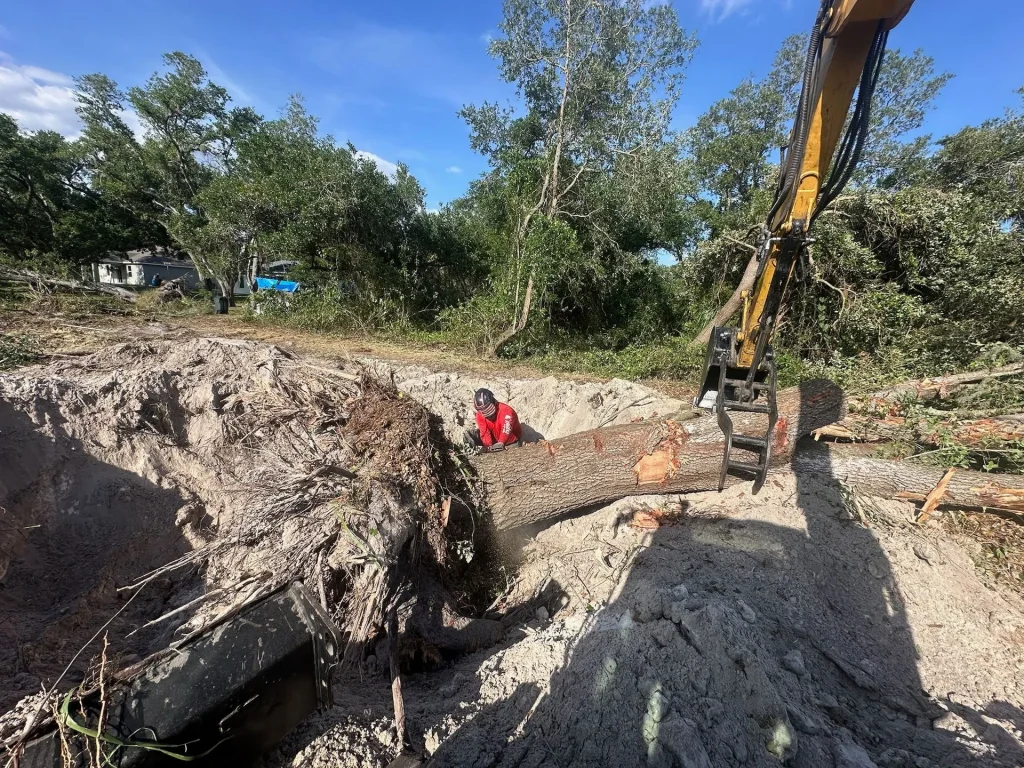
Commercial Storm-Damage Assessments After Peak Hurricane Season is fundamentally about post-storm documentation and prioritized response. For property managers, HOA boards, facility teams, and commercial owners in Charlotte County, the best result starts with an on-site evaluation rather than a one-size-fits-all prescription. Florida rainfall, sandy or compacted soils, mature vegetation, limited access, underground utilities, and nearby […]
How Property Managers Should Document Tree Maintenance for Liability Protection
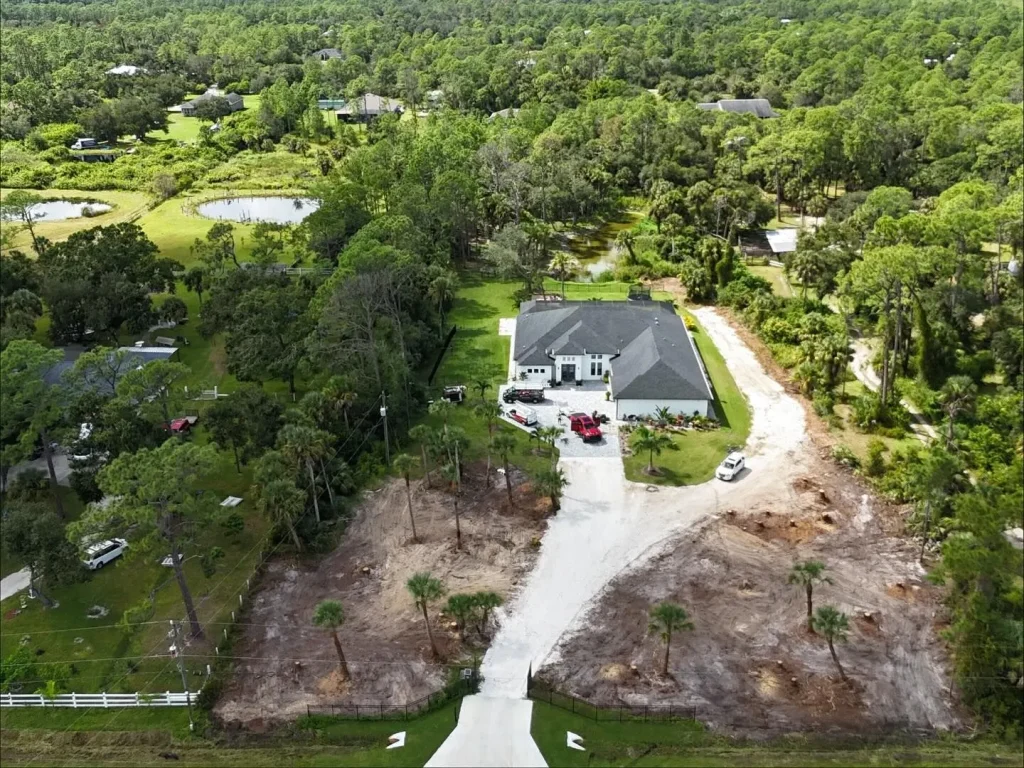
When a tree fails on a commercial property and someone is injured or property is damaged, the legal question is rarely “did the tree fall” – it is “what did the owner know, when, and what did they do about it.” Property managers who document tree maintenance – inspection reports, work orders, arborist recommendations, dated […]
Stump Grinding After Land Clearing: Why Developers Shouldn’t Skip It
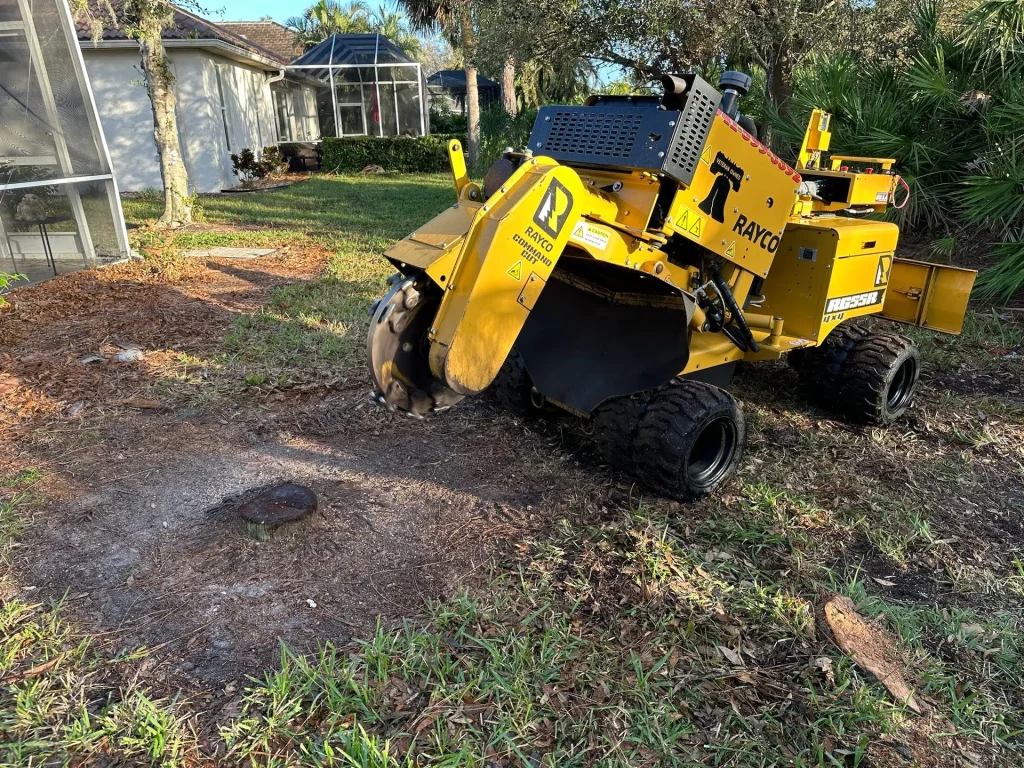
After land clearing, the stumps left behind are not a cosmetic issue – they are a geotechnical one. Developers who skip stump grinding or grubbing after clearing a parcel in Charlotte County routinely pay for it later in the form of settling under slabs, voids beneath pavement, termite pressure on new structures, and aggressive regrowth […]
Erosion Control on Southwest Florida Job Sites During the Rainy Season
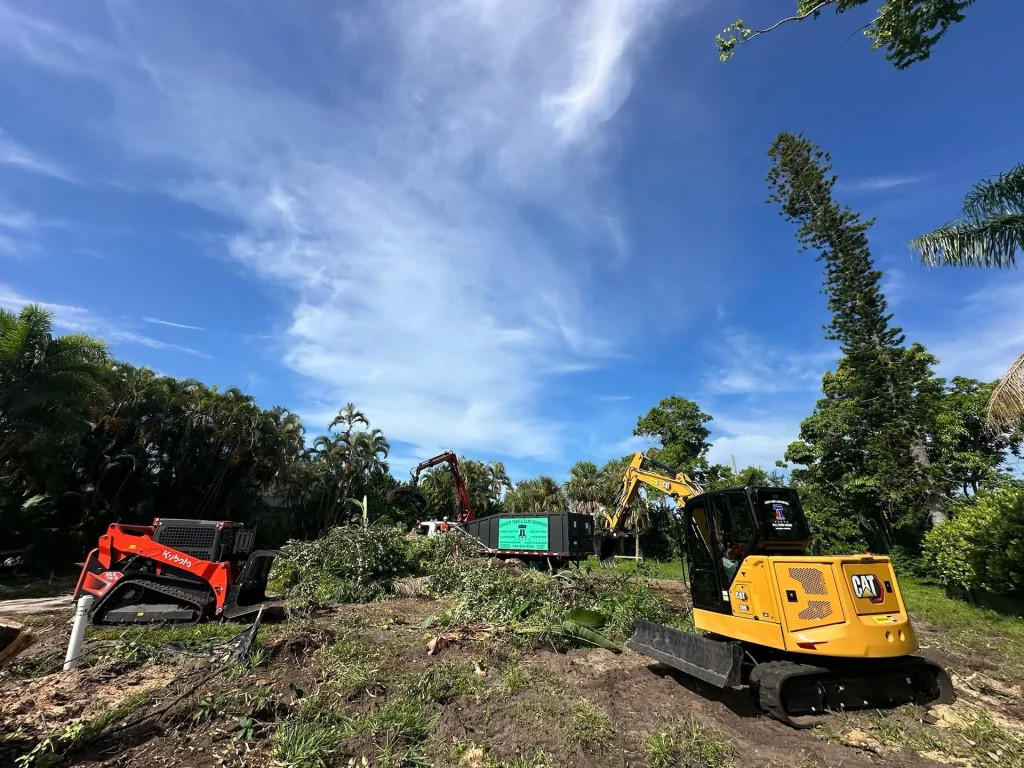
Erosion control on a Southwest Florida job site during the rainy season comes down to three things: perimeter containment (silt fences and turbidity barriers), rapid stabilization of disturbed soil, and a work sequence that never leaves more bare ground exposed than you can protect before the next storm. From June through September, Charlotte County routinely […]
Hazardous Tree Removal Near Buildings: How Crews Protect Commercial Structures
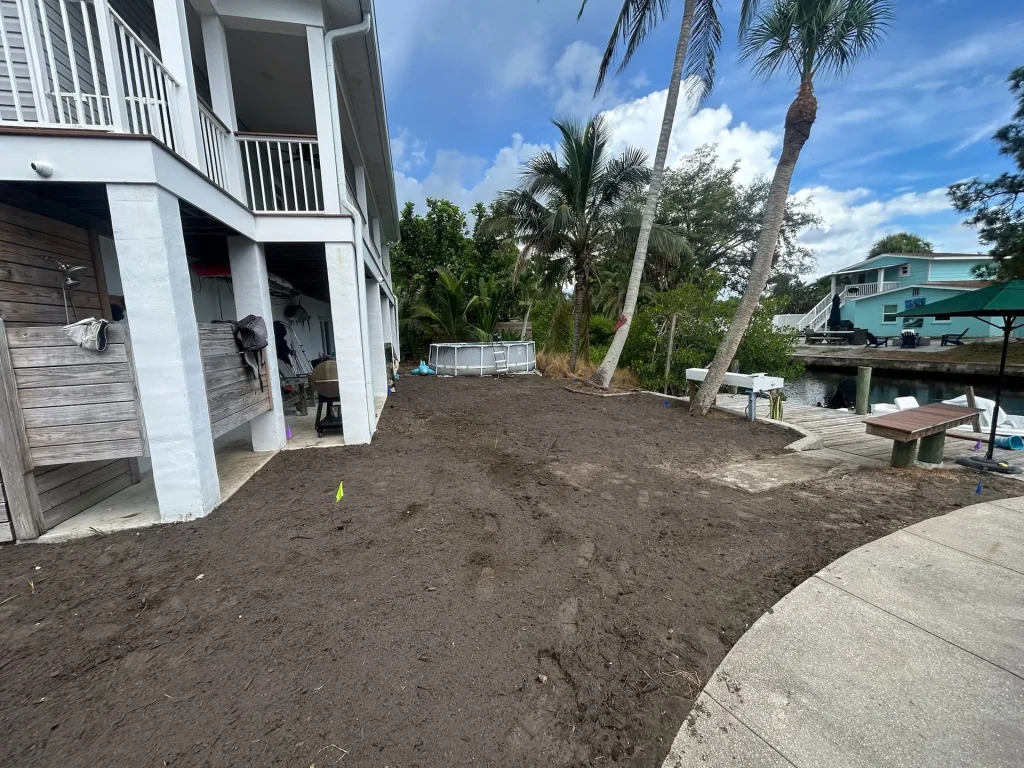
Removing a hazardous tree next to a commercial building is a controlled dismantling, not a felling. Crews take the tree apart from the top down in managed sections, using rigging lines, friction devices, and sometimes a crane to lower every limb and trunk piece under control – nothing free-falls when a structure, walkway, or parked […]
How Often Should Commercial Properties Trim Their Trees? Setting a Maintenance Cycle
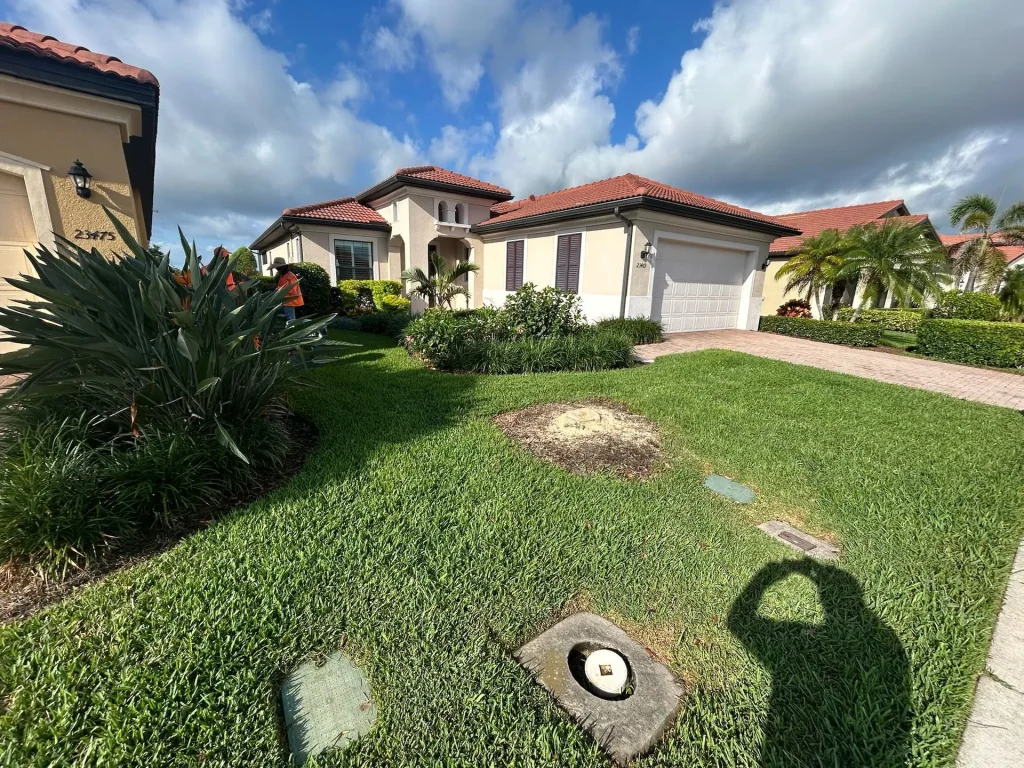
Most commercial properties in Southwest Florida should trim their hardwood trees every 12 to 24 months, trim palms one to two times per year, and perform clearance trims – over roadways, signage, parking, and buildings – as needed between cycles. Young trees benefit from structural pruning every one to two years, mature live oaks can […]
HOA Landscaping Budgets for 2027: Why August Is the Time to Plan
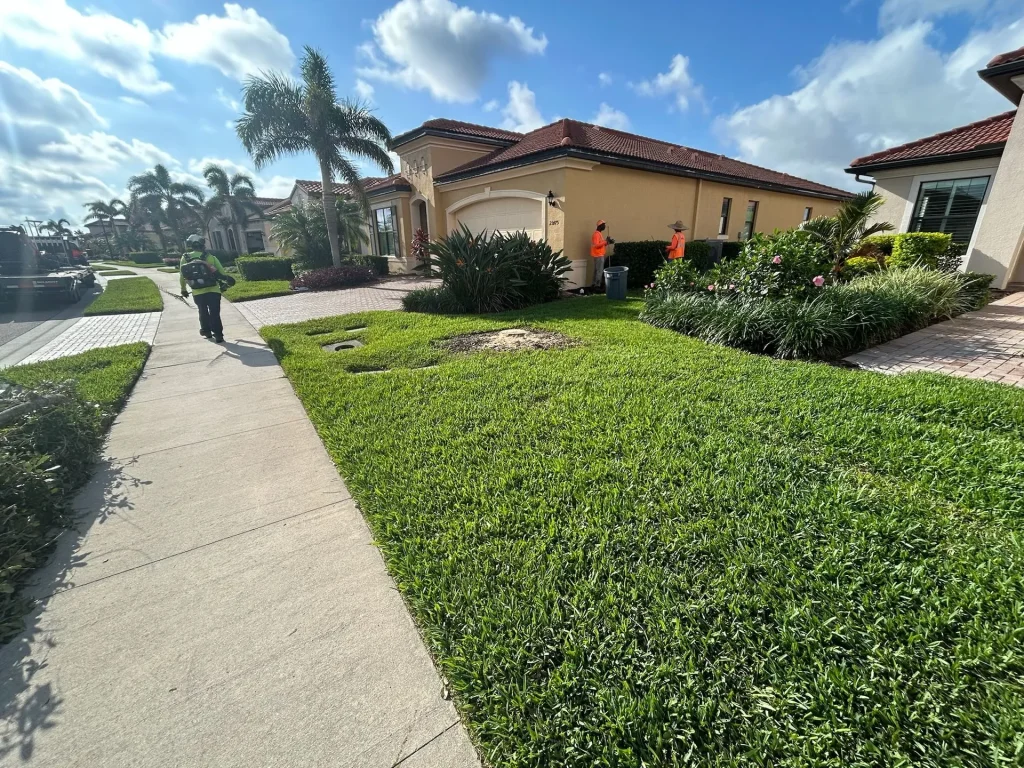
August is the month HOA boards should start building their 2027 landscaping budget. Most Southwest Florida associations run a calendar fiscal year: budget drafts circulate in September and October, the board adopts in November, and new assessments take effect January 1. That timeline means vendor proposals, tree inventories, and reserve updates need to be in […]
The Commercial Landscape Design Process: From Site Visit to Installation
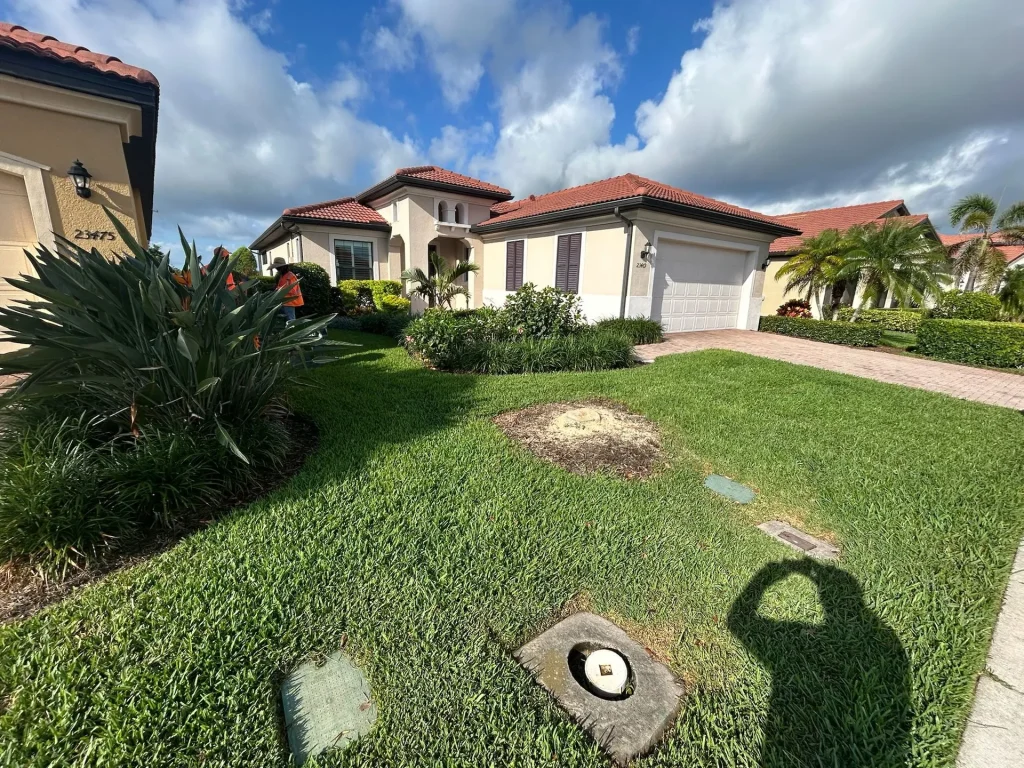
The commercial landscape design process moves through seven phases: an initial consultation, a site analysis, concept design, plant and hardscape selection, a detailed proposal, installation, and a maintenance handoff. For a typical Southwest Florida commercial property – an office park, retail center, or HOA common area – the journey from first site visit to finished […]
What’s in a Tree Risk Assessment Report? A Property Manager’s Guide
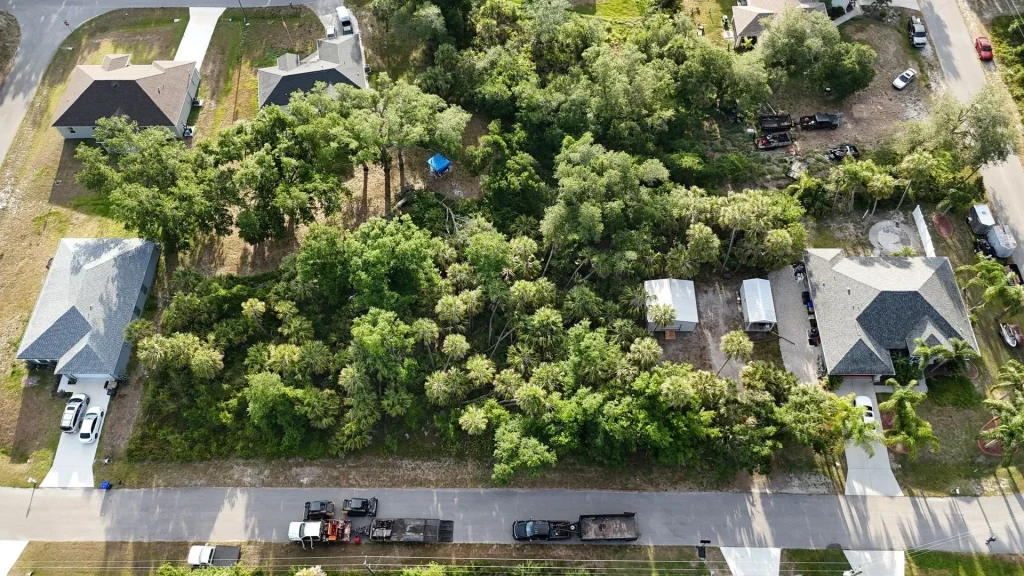
A tree risk assessment report is a written document, prepared by a qualified arborist, that identifies which trees on a property pose a risk, rates how serious each risk is, and prescribes what to do about it. A professional report built on the industry-standard TRAQ methodology contains four core elements: the assessment scope and method, […]
Retention Pond and Drainage Maintenance for Charlotte County HOAs
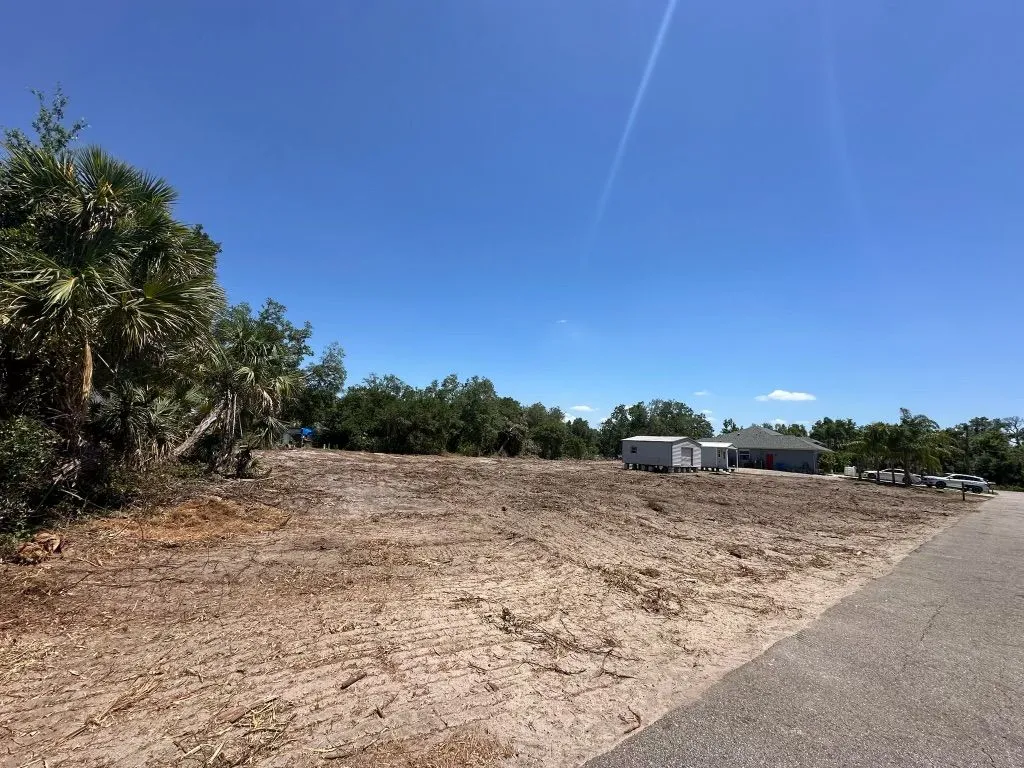
If your HOA community in Charlotte County has a retention pond, your association almost certainly owns its maintenance obligation — and that obligation is legal, not optional. When a subdivision is permitted, its stormwater system is designed and approved under an Environmental Resource Permit, and responsibility for keeping that system functioning as designed typically transfers […]
