
Port Charlotte HOA Tree Requests: Building a Usable Intake List
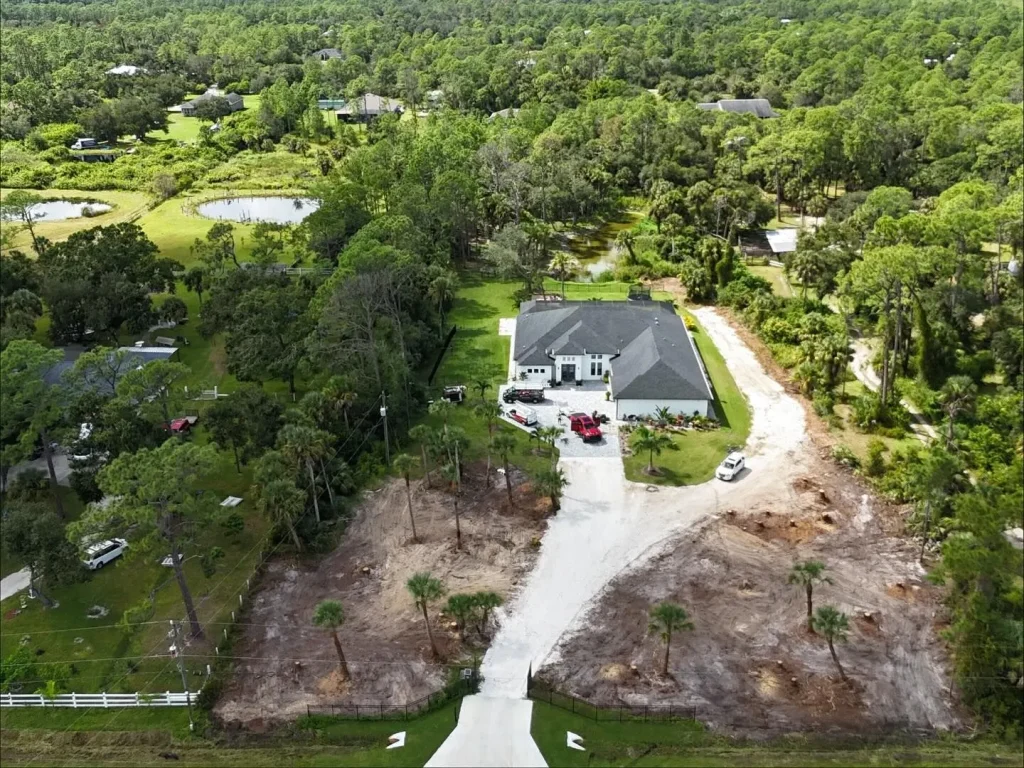
Record the tree location, resident observation, photos, and affected common area for each request. Separate maintenance preferences from reported defects. An intake list should help the manager prioritize evaluation and work rather than treating every request as an instruction for immediate removal. For example, a request about leaf litter should be recorded differently from a […]
Removing Trees Along a Port Charlotte Shared Property Boundary
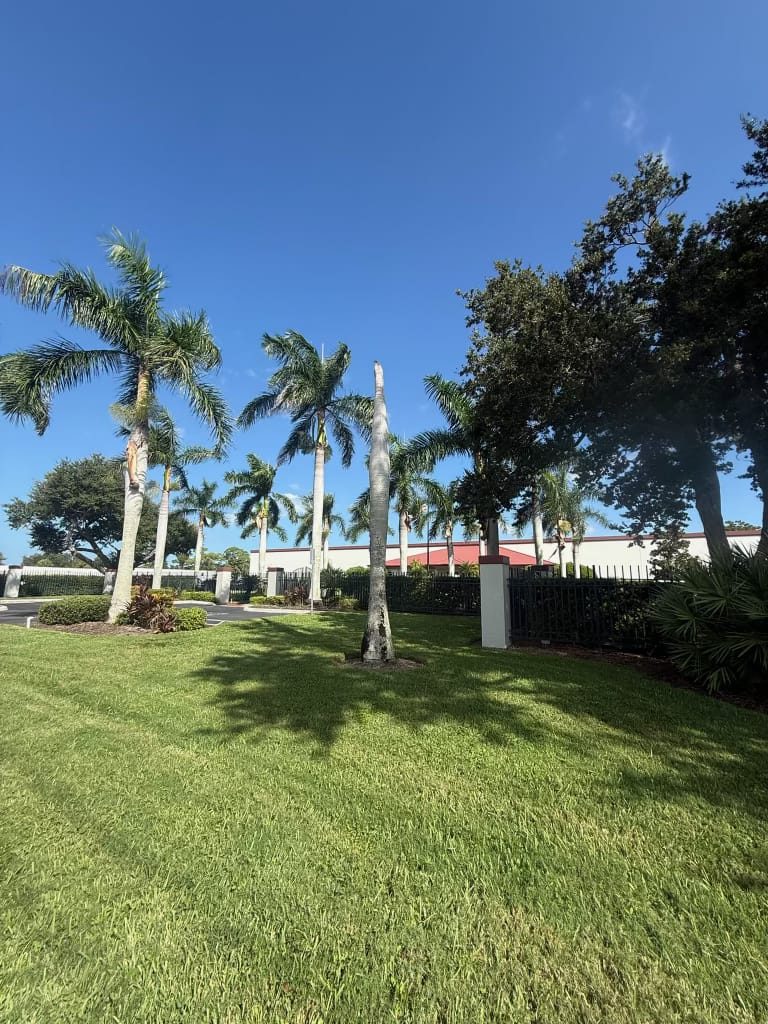
Establish ownership, boundaries, access permission, and the trees included before ordering removal. A fence or mowing pattern may not resolve those questions. Shared access and neighboring improvements should be discussed in writing so the contractor is not asked to settle a property disagreement during mobilization. For example, a fence position may differ from the surveyed […]
Palm and Tree Pruning Around Port Charlotte Storefront Signs

Identify which branches or palm structures conflict with visibility and access before writing the scope. Sign exposure does not justify indiscriminate green-frond removal or severe canopy cutting. Agree on a limited objective and a maintenance approach that respects the plant's form. For example, a sign blocked by one branch does not necessarily require the entire […]
Tree Risk Review for a Port Charlotte Employee Parking Area
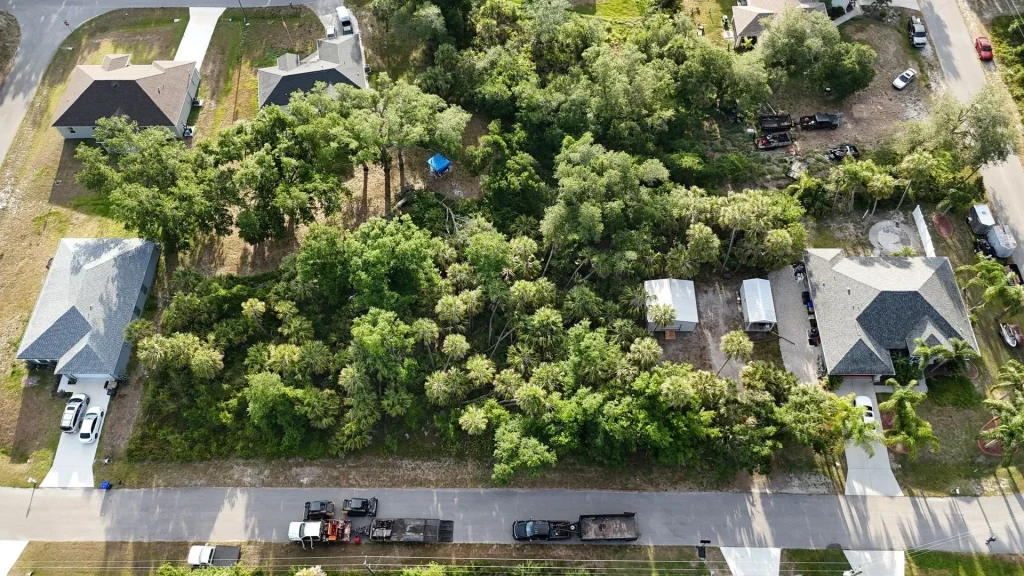
A parking-area review should identify trees, occupied spaces, work patterns, and observed defects together. Employee parking can change the exposure beneath a canopy from one shift to another. Ask for recommendations tied to specific locations and operational conditions rather than a single label for the whole site. For example, an employee parking space can be […]
Commercial Stump Grinding Before Paving or Construction
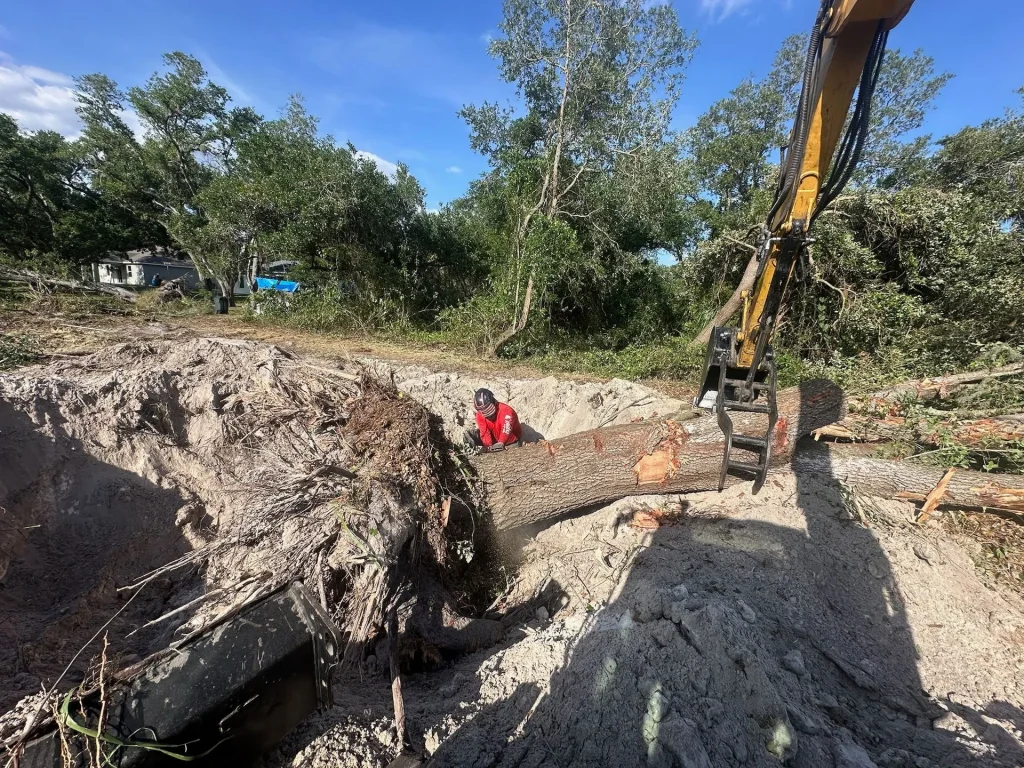
Commercial Stump Grinding Before Paving or Construction is fundamentally about removing conflicts below a future improvement. For property managers, HOA boards, facility teams, and commercial owners in Port Charlotte, the best result starts with an on-site evaluation rather than a one-size-fits-all prescription. Florida rainfall, sandy or compacted soils, mature vegetation, limited access, underground utilities, and […]
Commercial Drainage Inspections Before Florida’s Dry Season
Commercial Drainage Inspections Before Florida’s Dry Season is fundamentally about finding blocked flow paths and erosion early. For property managers, HOA boards, facility teams, and commercial owners in Port Charlotte, the best result starts with an on-site evaluation rather than a one-size-fits-all prescription. Florida rainfall, sandy or compacted soils, mature vegetation, limited access, underground utilities, […]
Keeping Large Commercial Turf Areas Alive in August: Irrigation and Sod Care
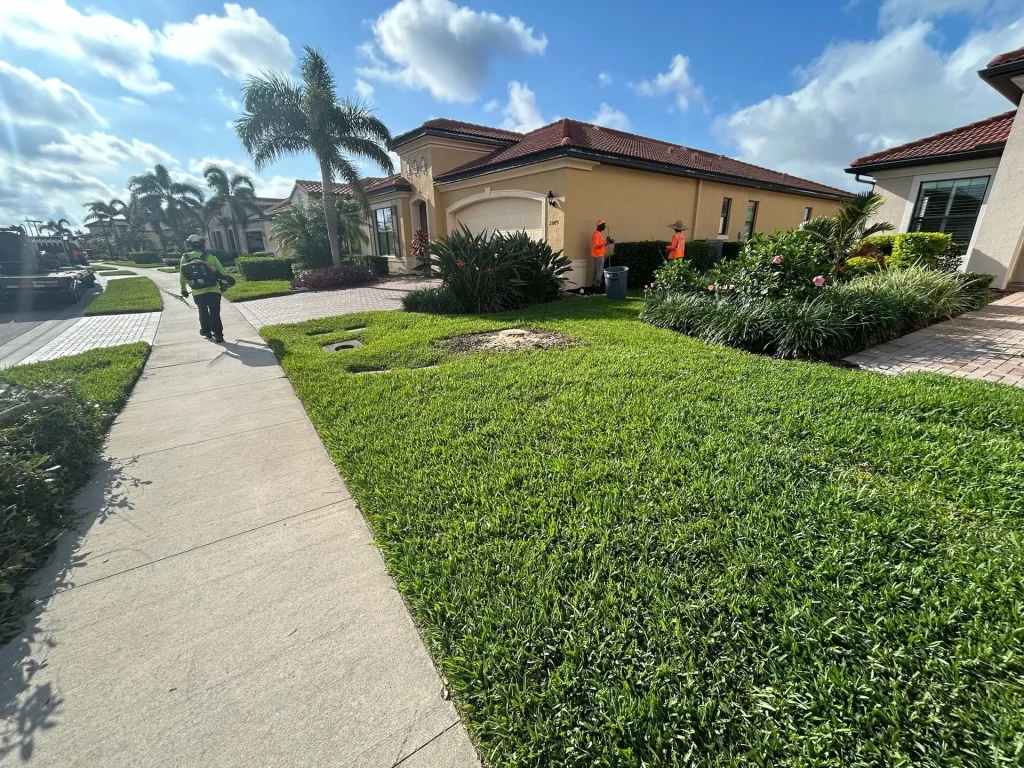
Keeping large commercial turf areas alive through a Southwest Florida August comes down to disciplined irrigation, correct mowing height, and early fungus detection – in that order. August pairs the year’s highest heat load with near-daily humidity above 90 percent in the mornings, which stresses St. Augustine and Bahia turf even while rainfall is abundant. […]
Wet-Season Excavation in Southwest Florida: How Pros Keep Projects Moving
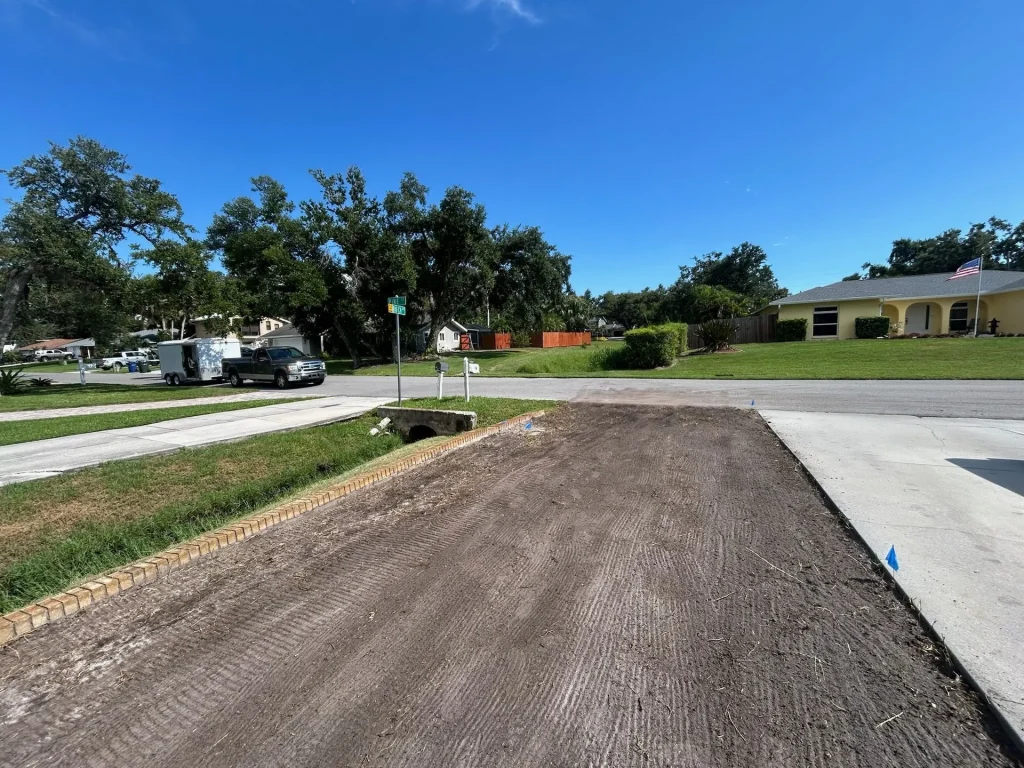
Southwest Florida receives roughly 60 percent of its annual rainfall between June and September, and during those months the water table across Charlotte County can rise to within inches of the surface. For excavation contractors, that combination — daily convective storms over already-saturated ground — is the defining engineering challenge of the region. Yet commercial […]
Land Grading for Commercial Construction in Port Charlotte
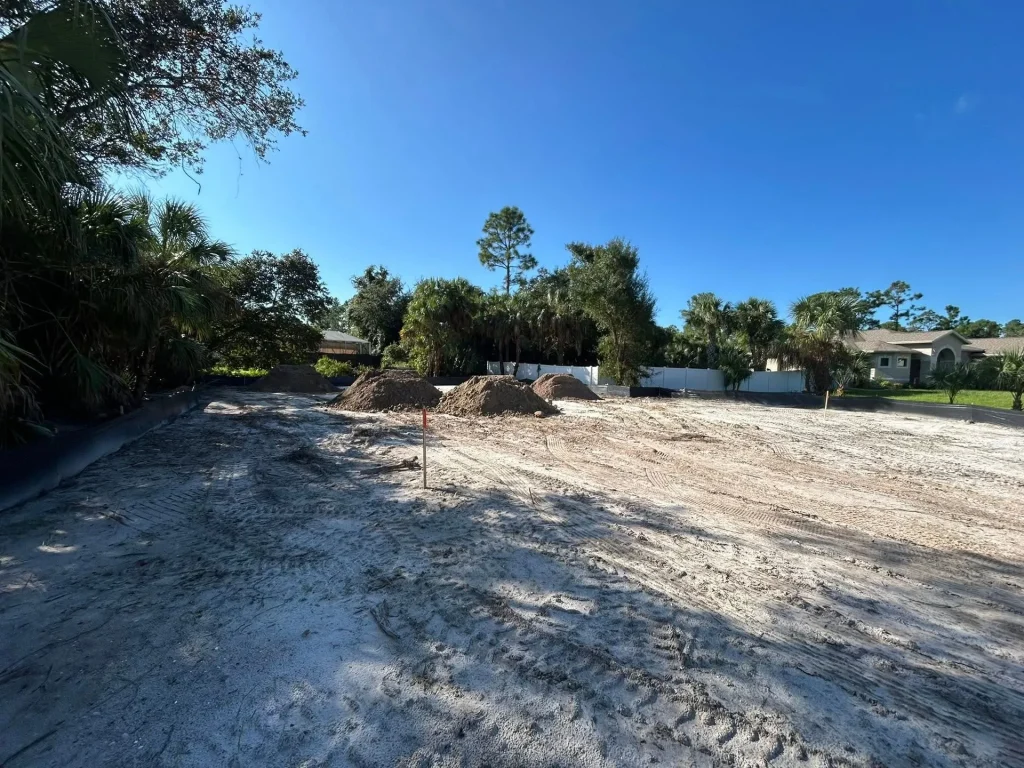
Land grading is the phase that turns a cleared site into a buildable commercial pad, and in Port Charlotte it carries extra weight. Precise grading establishes the elevations and slopes that control drainage, support pavement and foundations, and satisfy the county’s stormwater requirements. On Southwest Florida’s notoriously flat terrain, every fraction of a percent of […]
